| # | Question | Answer |
|---|---|---|
| 1 | What gear do I need for beginners? | A medium-action spinning rod (7 ft) and reel combo rated for saltwater, 15-20 lb monofilament line, hooks, sinkers, and a tackle box are ideal. Add pliers, a fillet knife, and polarized sunglasses for visibility. Budget $100-200 for brands like Penn or Ugly Stik. |
| 2 | Do I need a saltwater fishing license? | Most states require a saltwater license for anglers 16+; it’s often separate from freshwater permits. Check your state’s wildlife agency (e.g., FWC in Florida) for exemptions like free fishing days. Costs $10-50 annually, funding conservation. |
| 3 | What are the best baits or lures? | Live shrimp, mullet, or pinfish attract inshore species like redfish. Soft plastics (paddle tails) and 1/4-1/2 oz jigheads in natural colors are versatile lures. Match bait to local prey for best results. |
| 4 | How do tides affect fishing? | Incoming tides bring baitfish, activating predators; outgoing tides concentrate fish near structure. Fish during moving water, especially dawn/dusk. Use apps like Tides Near Me for local cycles. |
| 5 | What’s the difference between saltwater and freshwater fishing? | Saltwater requires corrosion-resistant gear and stronger lines (20+ lb) due to bigger fish and harsh conditions. Tides and currents dominate strategy, unlike still freshwater. Regulations and boat use are more prevalent. |
| 6 | How to choose rods and reels for saltwater? | Opt for corrosion-resistant spinning reels (3000-4000 size) and 7-8 ft medium-heavy rods from Shimano or Penn. Graphite or composite blanks handle tough fights. Match to inshore or offshore targets. |
| 7 | What are the best times to fish saltwater? | Dawn and dusk align with feeding; full/new moons boost tides. Avoid midday heat—early/late is best. Solunar tables predict peak activity. |
| 8 | How to identify common saltwater fish? | Use field guides or apps like iNaturalist to spot traits like stripes (red drum) or spots (seatrout). Measure total length for regulations. Local tackle shops often provide ID charts. |
| 9 | What are surf fishing tips for beginners? | Use 9-11 ft rods to cast over breakers with pyramid sinkers. Fish cuts/groins at low tide for pompano or whiting. Bait with sand fleas at dawn. |
| 10 | What’s inshore vs. offshore fishing? | Inshore targets reds/snook in bays with light tackle; offshore chases tuna/marlin beyond 3 miles with heavy gear. Inshore is cheaper and calmer. Start there for accessibility. |
| 11 | How to rig for saltwater fishing? | Use a Carolina rig for bottom fish: leader, swivel, sinker, hook. Fish-finder rigs work for live bait. Circle hooks aid easy releases. |
| 12 | How to clean gear after saltwater use? | Rinse rods/reels with freshwater immediately; soak reels in soapy water. Dry thoroughly and lubricate with reel oil. Check lines for frays weekly. |
| 13 | What species to target from shore? | Focus on whiting, croaker, or bluefish using shrimp on high tide. Avoid giants like tarpon initially. Local apps show seasonal hotspots. |
| 14 | What are pier or dock fishing basics? | Drop rigs with glow beads near pilings for sheepshead; use live bait. Check pier rules and arrive early. Avoid crowding spots. |
| 15 | How to read fishing regulations? | Download state apps like FishRules for bag/size limits and seasons. Focus on protected species like snook. Renew licenses yearly. |
| 16 | How does fly fishing work in saltwater? | Use 8-10 wt rods for bonefish/tarpon with floating lines. Strip flies to mimic bait. Wade flats at low light for best results. |
| 17 | What are the best locations for saltwater fishing? | Coastal states like Florida or Texas excel for inshore; Gulf Stream for offshore. Research charters via FishingBooker. Start with local beaches. |
| 18 | How to catch bigger fish? | Use heavier tackle and fish structure on outgoing tides. Cut bait adds scent to attract larger fish. Chum draws packs in. |
| 19 | What are safety tips for saltwater fishing? | Wear life jackets on boats and check weather apps for storms. Use sunscreen and stay hydrated. Carry a first-aid kit. |
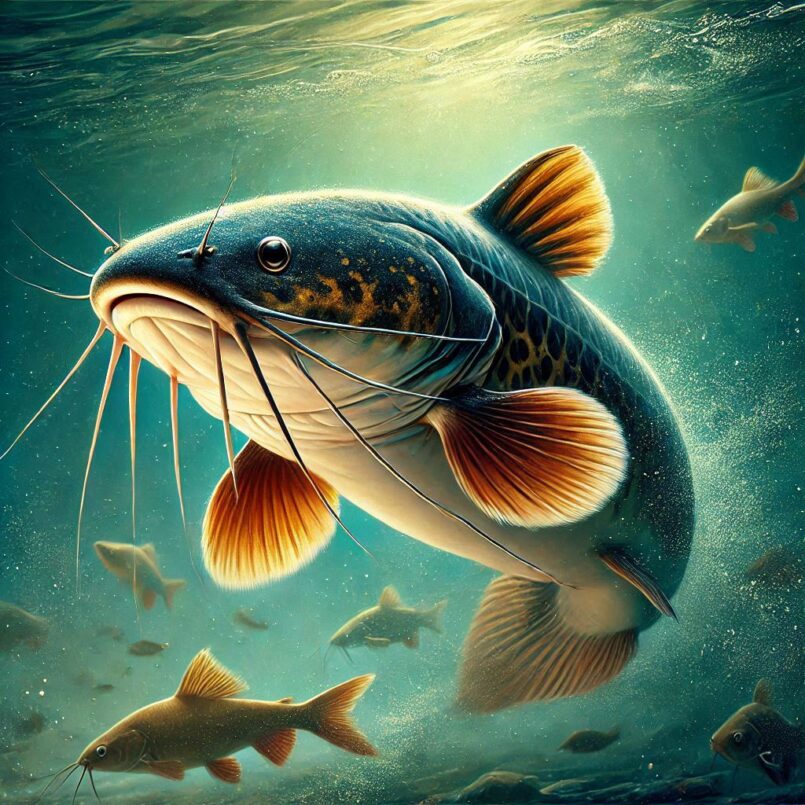
| 20 | Can I eat saltwater catfish or other species? | Saltwater catfish (gafftop) are edible but bony; fillet carefully. Avoid polluted areas and check advisories. Redfish and snapper are tastier. |
| 21 | What is the best rod and reel for beginners? | Penn Battle II spinning combo (7 ft, 3000 reel) is durable and affordable. Pair with 15 lb mono. Handles most inshore species. |
| 22 | What type of fishing is best for beginners? | Inshore shore/pier fishing is accessible with minimal gear. Targets easy species like trout. Avoid deep-sea initially. |
| 23 | What is the best bait for first-time fishing? | Live shrimp attracts multiple species with natural scent. Rig under a bobber. Frozen shrimp works as a backup. |
| 24 | Is it expensive to start fishing? | Basic setups cost $50-150; licenses $20-50. Public access keeps costs low. Borrow gear to start cheaply. |
| 25 | What is fishing tackle? | Tackle includes hooks, lines, sinkers, and lures to present bait. Start with an assortment pack. Customize as you learn. |
| 26 | Do I need a fishing net? | A landing net with a rubber basket prevents escapes and aids catch/release. Knotless nets are best. Costs $20-40. |
| 27 | What is wet wading? | Wet wading means fishing shallows without full waders, using quick-dry shorts. Ideal for warm flats. Add cleats for grip. |
| 28 | Can you pee in waders? | Yes, but unzip carefully to avoid leaks; step out if possible. Relief zippers help. Prioritize hygiene. |
| 29 | What is spot burning? | Spot burning is overfishing a secret spot, ruining it for others. Share locations ethically. Rotate spots to preserve them. |
| 30 | What is sight fishing? | Sight fishing involves spotting fish in shallows and casting precisely. Polarized glasses are essential. Great for reds/bonefish. |
| 31 | When does fishing season start? | Seasons vary by state/species (e.g., snook opens June in Florida). Check annual regulations. Many reef fish are year-round. |
| 32 | How to catch a permit in Belize? | Use crab patterns on fly or jigs; sight cast in flats. Permits are wary, so hire a guide. Patience is critical. |
| 33 | How to use baits, lures, and knots? | Palomar knot for lures; improved clinch for bait. Free-line live bait for natural presentation. Watch YouTube tutorials. |
| 34 | How to maintain a boat for saltwater? | Flush engines post-use and check hulls for barnacles. Use anti-corrosion sprays. Service annually for safety. |
| 35 | How to measure fish length? | Measure from snout to tail tip, mouth closed, with a rigid ruler. Pinch tail for total length. Follow regulations. |
| 36 | Are circle hooks required? | Circle hooks are mandatory for some species (e.g., striped bass with bait). They set in the jaw without jerking. Improves release survival. |
| 37 | How to target redfish or snook? | Target reds in grass flats with gold spoons; snook near mangroves with live bait. Spring runs are best. Check slot limits. |
| 38 | How to handle and release fish? | Use wet hands and barbless hooks; revive fish in water flow. Cut line if hook is swallowed. Practice catch-and-release ethics. |
| 39 | What line to use: monofilament or braid? | Monofilament offers stretch; braid provides sensitivity/strength. Use 20 lb braid with a 30 lb mono leader for versatility. Spool correctly. |
| 40 | Spinning vs. baitcasting reels? | Spinning reels are easier for beginners, versatile for casting. Baitcasting offers accuracy for heavy lures. Choose sealed saltwater models. |
| 41 | How to cast accurately? | Practice overhead snaps for distance; sidearm for wind. Aim at targets on land first. Smooth release prevents backlashes. |
| 42 | How to observe bird activity for fish? | Diving gulls signal bait balls; cast nearby. Pelicans herding fish are prime indicators. Scan horizons for activity. |
| 43 | When to be patient or persist? | Change spots after 20 minutes of no bites. Stay during active tides. Log patterns to learn fish habits. |
| 44 | What are local regulations for size and bag limits? | Limits vary (e.g., 1 redfish 18-27″ in Texas). Use apps like FishRules for real-time updates. Violations carry fines. |
| 45 | What’s the difference between saltwater and freshwater reels? | Saltwater reels are sealed/anodized against corrosion. Freshwater reels work short-term if rinsed. Invest in hybrids for versatility. |
| 46 | What are tips for first-time vacation fishing? | Research local charters and licenses; pack sunscreen. Target piers for ease. Expect small catches initially. |
| 47 | How to rig soft plastics? | Use weedless hooks through the nose for Texas rigs. Match size/color to baitfish. Twitch retrieve for action. |
| 48 | What’s the best soft plastic slot orientation? | Slot up for natural swim; slot down for weedless. Test both for species. Prawn-style plastics excel. |
| 49 | How to avoid snags in structure? | Use braided line for sensitivity and bounce retrieves. Fish outgoing tides. Wire leaders help with toothy fish. |
| 50 | How to jig vertically from shore? | Drop jigs near reefs with lift-fall motion. Use 1-2 oz weights for depth. Target rockfish or snapper. |
| 51 | How to choose a surf rod? | Select 9-12 ft rods for distance casting in surf. Medium-heavy power handles waves. Pair with 4000-6000 reels. |
| 52 | Is a PFD required for fishing? | Personal flotation devices are mandatory on boats in many states, especially for kids. Always wear one for safety. Check local laws. |
| 53 | How to use shrimp as bait? | Hook live shrimp through the horn or tail for natural movement. Use frozen shrimp for bottom rigs. Keep fresh in aerated buckets. |
| 54 | What questions to ask at a tackle shop? | Inquire about local baits, hot spots, and seasonal species. Ask for rig demos. Build rapport for insider tips. |
| 55 | How to set up a kayak for fishing? | Install rod holders, a fish finder, and anchor trolley. Use a milk crate for tackle storage. Ensure a PFD and paddle leash. |
| 56 | Is a PFD needed on a fishing boat? | Yes, PFDs are required by law on boats; wear them at all times. Auto-inflatable vests are comfortable. Carry spares for passengers. |
| 57 | How do tidal currents affect fishing? | Strong currents concentrate baitfish near structure, attracting predators. Fish slack tides for easier casting. Use heavier weights in fast flows. |
| 58 | How does moon phase impact fishing? | Full and new moons create stronger tides, boosting fish activity. Night fishing excels during full moons. Check solunar charts. |
| 59 | Does barometric pressure affect fishing? | Falling pressure before storms often triggers feeding. High pressure slows bites. Fish during pressure changes for best results. |
| 60 | Is full moon good for saltwater catfish? | Full moons increase tidal flow, attracting catfish to feed. Night fishing with cut bait works well. Target shallow flats. |
| 61 | What is brackish water fishing? | Brackish water (mixed salt/fresh) hosts species like reds and trout. Use versatile tackle for variable salinity. Check local estuaries. |
| 62 | How to handle pier pressure? | Arrive early to secure spots; respect others’ space. Use vertical rigs to avoid tangles. Stay patient during crowds. |
| 63 | What are surface iron tips for saltwater? | Use heavy jigs (e.g., Tady 45) for long casts; retrieve fast. Target yellowtail or tuna near kelp. Shine lures for flash. |
| 64 | How to use cut squid as bait? | Cut squid into strips and hook securely for bottom rigs. Its scent attracts flounder and snapper. Keep refrigerated to avoid spoilage. |
| 65 | Are topwater lures effective in fall? | Topwater lures excel in fall for reds and trout chasing baitfish. Use walk-the-dog retrieves. Early mornings are best. |
| 66 | How to tie a loop knot for lures? | Tie a non-slip loop knot to allow lures free movement. Practice with 20 lb mono. Watch knot strength demos online. |
| 67 | How to maintain a saltwater reel? | Rinse with freshwater after each trip; lubricate gears monthly. Disassemble yearly for deep cleaning. Store dry to prevent corrosion. |
| 68 | What advice to get from tackle shops? | Ask about recent catches, best baits, and local conditions. Request knot-tying tips. Shops often know unposted hotspots. |
| 69 | What are challenges of fly fishing in saltwater? | Saltwater fly fishing requires heavier rods and precise casts against wind. Practice double haul for distance. Guides help with spotting. |
| 70 | Is fly fishing ethical in saltwater? | Fly fishing is ethical with barbless hooks and proper release. It minimizes harm compared to bait. Follow catch-and-release guidelines. |
| 71 | Are barbless hooks better for saltwater? | Barbless hooks reduce fish injury and ease releases. They’re required in some areas. Carry extras for losses. |
| 72 | What tackle and safety for kayak fishing? | Use rod holders, fish finders, and a PFD. Secure gear with leashes; carry a whistle. Avoid rough seas solo. |
| 73 | What are sportsman tips for ethical fishing? | Respect limits, release undersized fish, and avoid littering. Use barbless hooks for conservation. Educate others on ethics. |
| 74 | How does pollution affect angling? | Pollution reduces fish populations and taints catches. Avoid contaminated areas; check advisories. Support clean water initiatives. |
| 75 | Do I need a rod license? | No separate rod license exists; a fishing license covers all rods. Check state-specific rules. Some areas limit rod numbers. |
| 76 | What are points in ponds for fishing? | Points (land extensions) in ponds concentrate fish due to depth changes. Cast near drop-offs. Use lures to probe edges. |
| 77 | Are treble hooks legal in saltwater? | Treble hooks are legal in most saltwater areas unless specified. Some regions ban them for conservation. Check local regulations. |
| 78 | How does fallout affect fishing? | Radioactive fallout is rare but can contaminate fish; avoid affected areas. Normal fishing is safe with advisories. Monitor NOAA updates. |
| 79 | What’s a favorite saltwater fish to cook? | Snapper is a favorite for its firm, mild flavor; grill or bake. Redfish blackens well. Follow local recipes. |
| 80 | What snacks to bring fishing? | Pack non-perishable snacks like jerky, nuts, or granola bars. Avoid messy foods; bring water. Keep hands clean for bait. |
| 81 | How to target tarpon or bonefish? | Use live crabs or flies for tarpon; shrimp patterns for bonefish. Sight cast in flats. Hire guides for success. |
| 82 | What are union tips for fishing? | Join fishing clubs or unions for shared knowledge and group trips. Attend local meetups. Network for better spots. |
| 83 | How to catch flounder or speckled trout? | Use live minnows or soft plastics for flounder; shrimp for trout. Fish near grass flats. Target moving tides. |
| 84 | How to gut a fish properly? | Make a shallow cut from anus to gills; remove entrails. Rinse cavity thoroughly. Use a sharp knife for precision. |
| 85 | How to scale a fish? | Use a fish scaler or spoon to scrape scales from tail to head. Work under running water. Wear gloves for grip. |
| 86 | How to remove a hook safely? | Use pliers to back out barbless hooks; cut line for deep hooks. Handle fish with wet hands. Revive before release. |
| 87 | How to fillet a fish? | Cut behind gills, angle along backbone to tail. Remove skin by sliding knife between flesh and skin. Practice for clean cuts. |
| 88 | Should I remove the fish head? | Remove heads for filleting or storage; leave on for whole cooking. Use a sharp knife. Check recipes for preference. |
| 89 | What to do with a snagged line? | Pull gently to free; cut if stuck on structure. Use braided line for strength. Carry spare leaders. |
| 90 | How to prepare baits for fishing? | Cut baitfish into chunks; keep shrimp alive in aerated buckets. Freeze extras for later. Match bait to target species. |
| 91 | Can frozen fish be as good as fresh? | Flash-frozen fish retains flavor if thawed properly. Thaw in cold water or fridge. Fresh is ideal but frozen is close. |
| 92 | How do shrimp farms impact fishing? | Shrimp farms can pollute local waters, affecting wild fish. Sustainable farms reduce impact. Check local water quality reports. |
| 93 | What is soil salinity in fishing areas? | Soil salinity near coasts affects runoff into fishing waters. High salinity can stress fish. Monitor via environmental reports. |
| 94 | Is ash hydrophobic in fishing waters? | Ash from fires can create hydrophobic layers, reducing water penetration. This impacts baitfish habitats. Avoid post-fire runoff areas. |
| 95 | Do heavy metals from fires affect fishing? | Heavy metals can contaminate fish in polluted waters. Avoid fishing near industrial or fire runoff. Check advisories for safety. |
| 96 | How does pH balance affect fish? | Extreme pH shifts stress fish, reducing bites. Neutral waters (6.5-8) are ideal. Test local waters if concerned. |
| 97 | What is cation exchange in fishing waters? | Cation exchange affects nutrient availability in brackish waters. It’s less critical for anglers but impacts baitfish. Focus on salinity instead. |
| 98 | How to target smallmouth bass in saltwater? | Smallmouth rarely enter saltwater; focus on freshwater estuaries. Use small jigs or worms. Check local ranges. |
| 99 | Are paddle tail lures effective? | Paddle tails mimic baitfish, attracting reds and trout. Use 1/4 oz jigheads. Retrieve with twitches. |
| 100 | What is a Whopper Plopper for saltwater? | Whopper Ploppers are topwater lures effective for aggressive fish like jacks. Use in calm waters. Ensure saltwater-resistant models. |
| 101 | Are diamond jigs good for surf fishing? | Diamond jigs excel for casting distance and attracting mackerel. Use 2-4 oz in surf. Retrieve with jerks. |
| 102 | How to target striped bass in fall? | Stripers chase baitfish in fall; use live eels or bunker. Fish near inlets at dawn. Check seasonal migrations. |
| 103 | How to catch mangrove snapper? | Use small live shrimp near mangroves or docks. Light tackle (10 lb line) works best. Fish at high tide. |
| 104 | Can live shrimp catch small fish? | Live shrimp on #2 hooks catch pinfish or croaker. Free-line in shallows. Keep bait alive for best action. |
| 105 | How to use chunk bait for catfish? | Cut mullet or shad into chunks; rig on bottom. Strong scent draws catfish. Fish at night for best bites. |
| 106 | What is a Texas rig for saltwater? | Texas rig uses a bullet weight and weedless hook for soft plastics. Ideal for grass flats. Prevents snags in structure. |
| 107 | How does a popping cork work? | Popping corks suspend bait and create noise to attract fish. Use with shrimp for reds. Pop rhythmically while retrieving. |
| 108 | What is a Carolina rig? | Carolina rig uses a sliding sinker, bead, swivel, and leader with hook. Great for live bait over sand. Adjust leader length. |
| 109 | What is a fish finder rig? | Fish finder rig has a sliding sinker above a leader, letting bait move freely. Ideal for live bait. Use for bottom fish. |
| 110 | Can fresh dead shrimp be used? | Fresh dead shrimp work but lose scent faster than live. Rig tightly on hooks. Keep cold for effectiveness. |
| 111 | What are Fishbites for bait? | Fishbites are synthetic baits mimicking shrimp or bloodworms. They last longer than natural bait. Cut into small strips. |
| 112 | Are Senkos or Rooster Tails good for saltwater? | Senkos work for reds in calm waters; Rooster Tails less effective. Use weedless rigs for Senkos. Stick to proven lures. |
| 113 | Are crankbaits effective in saltwater? | Crankbaits work for shallow predators like jacks but are less common. Use corrosion-resistant models. Soft plastics are preferred. |
| 114 | What is a half hitch tackle setup? | Half hitch is a knot, not a tackle setup; use for leader connections. Pair with Carolina rigs. Practice knot strength. |
| 115 | Penn Battle vs. Daiwa BG reels? | Penn Battle is durable for inshore; Daiwa BG offers smoother drag. Both are saltwater-sealed. Penn is more budget-friendly. |
| 116 | Tsunami vs. Okuma rods? | Tsunami rods are affordable with good sensitivity; Okuma offers durability. Both suit inshore. Test for casting comfort. |
| 117 | What’s the best braid for inshore kayaking? | 20-30 lb PowerPro braid offers strength and sensitivity for kayaks. Pair with a 20 lb mono leader. Spool tightly to avoid slips. |
| 118 | What is medium power rod for saltwater? | Medium power rods handle 10-20 lb lines for inshore species like reds. They balance sensitivity and strength. Pair with 3000 reels. |
| 119 | Should drag be 1/3 of line strength? | Set drag to ~1/3 line strength (e.g., 5 lb for 15 lb line). Adjust for fish size. Test with a scale. |
| 120 | How to target redfish, seatrout, or flounder? | Use spoons for reds, shrimp for trout, jigs for flounder. Fish grass flats at high tide. Check slot limits. |
| 121 | What’s the bay rabbit hole in fishing? | Bay rabbit hole refers to chasing niche techniques or species in bays. Focus on reds or trout to start. Avoid overcomplicating early. |
| 122 | Are Union reels good for saltwater? | Union reels are less known; stick to proven brands like Penn. Ensure corrosion resistance. Check reviews before buying. |
| 123 | Shimano reels 3500-4000 size? | Shimano Stradic 3500-4000 reels are ideal for inshore with smooth drags. Pair with 7 ft rods. Maintain after each trip. |
| 124 | Is a 4000 spinning reel versatile? | A 4000 spinning reel handles inshore and light offshore with 15-20 lb line. It’s versatile for reds or snapper. Penn or Shimano recommended. |
| 125 | Is 10-14 lb line good for saltwater? | 10-14 lb line suits light inshore fishing for trout or small reds. Upgrade to 20 lb for bigger fish. Braid preferred for sensitivity. |
| 126 | Are Ugly Stik rods reliable? | Ugly Stik rods are durable and budget-friendly for saltwater. Medium-heavy models handle inshore well. Pair with sealed reels. |
| 127 | Do rods have lifetime warranties? | Some brands like St. Croix offer limited lifetime warranties. Check terms for corrosion coverage. Register rods post-purchase. |
| 128 | Can freshwater reels be rinsed for saltwater? | Freshwater reels work short-term if rinsed thoroughly after saltwater. Corrosion risk remains high. Invest in saltwater models long-term. |
| 129 | How to oil and lube reels? | Use reel oil on bearings and grease on gears monthly. Apply sparingly after cleaning. Follow manufacturer guides. |
| 130 | Why use 9-11 ft rods for surf? | 9-11 ft rods cast beyond breakers for better range. Medium-heavy power handles sinkers. Pair with 4000-6000 reels. |
| 131 | Why use pyramid sinkers in surf? | Pyramid sinkers dig into sand, holding rigs against waves. Use 2-4 oz for stability. Adjust for current strength. |
| 132 | Why fish cuts or groins at low tide? | Cuts and groins concentrate fish in deeper channels at low tide. Target pompano or whiting. Use shrimp or jigs. |
| 133 | How to catch pompano or whiting? | Use shrimp or sand fleas on a double-drop rig. Fish surf troughs at low tide. Bright beads attract bites. |
| 134 | How to use sand fleas as bait? | Hook sand fleas through the belly on a #2 hook. Fish near surf for pompano. Dig them at low tide. |
| 135 | Why fish at dawn on beaches? | Dawn brings active feeding and fewer crowds. Fish move closer to shore. Use topwater or shrimp for bites. |
| 136 | How to use a high-low rig with clams? | Tie a high-low rig with two hooks; bait with clam strips. Fish near bottom for croaker. Adjust sinker for depth. |
| 137 | How to use cut shrimp as bait? | Cut shrimp into chunks for bottom rigs. Strong scent attracts flounder. Keep fresh in coolers. |
| 138 | Are sandcrabs effective bait? | Sandcrabs (mole crabs) are great for pompano and whiting. Hook through the body. Harvest at water’s edge. |
| 139 | Best spots like Redondo or Long Beach? | Redondo and Long Beach piers offer mackerel and perch. Fish near pilings with shrimp. Check tide charts. |
| 140 | Why use beefy 12-20 lb line? | 12-20 lb line handles inshore species like reds without breaking. Braid offers strength in structure. Mono for stretch. |
| 141 | What is a knocker rig? | Knocker rig has a sinker sliding to the hook, ideal for live bait. Use for reds near structure. Keeps bait low. |
| 142 | How to fish structure like Texas rigs? | Texas rigs avoid snags in grass or rocks with weedless hooks. Use soft plastics. Fish slowly for bites. |
| 143 | Are jerk baits good for barracuda? | Jerk baits mimic wounded baitfish, attracting barracuda. Use fast retrieves. Wire leaders prevent bite-offs. |
| 144 | Are bonefish caught with hair jigs? | Hair jigs work for bonefish in flats; use small sizes. Cast ahead of schools. Retrieve with short strips. |
| 145 | What are Gotcha plugs for Spanish mackerel? | Gotcha plugs are shiny jigs for fast-moving mackerel. Cast and retrieve quickly. Use 20 lb leader for teeth. |
| 146 | Are gold spoons good for redfish? | Gold spoons mimic baitfish and attract reds in grass flats. Weedless designs avoid snags. Retrieve steadily with twitches. |
| 147 | Is Shimano Miravel 3000 good? | Miravel 3000 is reliable for inshore with smooth drag. Pair with 7 ft rod. Maintain regularly for saltwater. |
| 148 | What does 7 ft PE1 rod mean? | PE1 refers to line rating (10-20 lb braid) for a 7 ft rod. Ideal for inshore reds or trout. Check reel compatibility. |
| 149 | What leader strength for 12-14 lb line? | Use 20-30 lb mono or fluorocarbon leaders with 12-14 lb line. Protects against abrasion. Tie with FG knots. |
| 150 | Are 10-30g lures versatile? | 10-30g lures cover inshore species like trout or offshore mackerel. Match weight to depth. Jigs or spoons work well. |
| 151 | Why use 1.5 oz weights? | 1.5 oz weights hold rigs in moderate currents for inshore fishing. Use for live bait or jigs. Adjust for tide strength. |
| 152 | How to fish rocks or piers in Scotland? | Target mackerel or pollock with feather rigs or jigs near rocks. Fish high tide for access. Use sturdy boots for grip. |
| 153 | How to catch mackerel, bass, or pollock? | Use shiny lures or feather rigs for mackerel; shrimp for bass. Fish piers at dawn. Check UK regulations. |
| 154 | What size circle hooks for saltwater? | Size 3/0-5/0 circle hooks suit most inshore species like reds. Match to bait size. Required for some regulations. |
| 155 | When to switch to circle hooks? | Switch to circle hooks for live bait or catch-and-release. They reduce gut hooking. Check local mandates. |
| 156 | Can live shrimp catch small fish? | Live shrimp on #2 hooks catch pinfish or croaker. Free-line in shallows. Keep bait alive for best action. |
| 157 | Best fishing in New Smyrna, FL? | New Smyrna offers reds and trout in Mosquito Lagoon. Fish flats with jigs. Hire guides for prime spots. |
| 158 | How to catch bigger fish consistently? | Fish deeper structure with heavy tackle and cut bait. Use fish finders for schools. Target outgoing tides. |
| 159 | Can I fish rivers or lakes like casting? | Estuaries near coasts allow casting for brackish species like reds. Use similar inshore tackle. Check salinity levels. |
| 160 | Is fishing without a bobber fun? | Bottom rigs or free-lining without bobbers feels more dynamic. Detect bites via line tension. Great for reds. |
| 161 | Does bait work better than lures? | Live bait like shrimp outperforms lures for beginners due to scent. Lures require skill but are reusable. Test both locally. |
| 162 | Is 90% bait better than lures? | Bait often catches more for novices, but skilled lure use rivals it. Bait’s scent draws fish; lures need technique. Experiment to confirm. |
| 163 | How to mimic baitfish with lures? | Use shiny spoons or paddle tails to mimic baitfish movement. Retrieve with twitches. Match local prey size/color. |
| 164 | Best fishing at Jekyll Island, GA? | Jekyll Island’s beaches yield whiting and reds with shrimp. Fish piers at high tide. Check GA DNR regulations. |
| 165 | Piers, beaches, or inlets better? | Piers offer structure for fish; beaches for casting range; inlets for migrating species. Inlets excel during tides. Test all for variety. |
| 166 | Can I catch and eat fish safely? | Most saltwater fish are safe if from clean waters; check advisories. Fillet and cook thoroughly. Avoid polluted areas. |
| 167 | Best surf rod for live bait? | 10-12 ft medium-heavy surf rods handle live bait well. Pair with 5000 reels. Use fish-finder rigs for drift. |
| 168 | Do lures hit fish quicker? | Lures can attract aggressive fish faster than bait. Active retrieves mimic prey. Bait may need soaking time. |
| 169 | Are trout or catfish easier to catch? | Seatrout are easier with shrimp in shallows; catfish need cut bait. Trout are more active. Local conditions dictate. |
| 170 | Are artificial lures decent? | Artificial lures like spoons or jigs work well for reds and trout. Require skill but save bait costs. Practice retrieves. |
| 171 | Are ocean catfish slimy? | Saltwater catfish have slimy skin, making them hard to handle. Use gloves and rinse fillets. Cook thoroughly for flavor. |
| 172 | Can small trout be caught in weeds? | Small trout hide in grass flats; use weedless soft plastics. Cast near edges. Retrieve slowly to avoid snags. |
| 173 | Best fishing in Boca Grande, FL? | Boca Grande is famous for tarpon; use live crabs in passes. Reds and snook in mangroves. Hire guides for success. |
| 174 | Is spring break good for fishing? | Spring break aligns with active seasons for reds and snook. Crowds may increase; fish early. Check local hotspots. |
| 175 | How to catch trout, mangrove snapper, or pompano? | Use shrimp for trout, small hooks for snapper, sand fleas for pompano. Fish flats or piers. Match tide to species. |
| 176 | How to catch rays or sharks? | Use cut mullet or large shrimp for rays; chum for sharks. Heavy tackle (50 lb line) needed. Fish deep channels. |
| 177 | Can I rent kayaks for fishing? | Many coastal areas offer kayak rentals with rod holders. Check for guided tours. Bring your own PFD for safety. |
| 178 | How to succeed fishing from shore? | Fish high tides near structure with live bait. Use long casts for surf. Scout beaches at low tide. |
| 179 | How to target striped bass? | Use live bunker or eels near inlets in fall. Cast spoons for active stripers. Check migration patterns. |
| 180 | How to catch bluefish? | Bluefish hit shiny lures like spoons or plugs fast. Use wire leaders for teeth. Fish surf at dawn. |
| 181 | Do specs or sinkers work better? | Sinkers hold bait in place; specs (lures) attract active fish. Use sinkers for bottom rigs. Test both locally. |
| 182 | How to catch jacks in tropics? | Jacks hit fast-moving lures like jigs or spoons. Fish near reefs or drop-offs. Use 30 lb braid for strength. |
| 183 | What is a stripping basket for fly fishing? | A stripping basket holds loose fly line to prevent tangles. Essential for surf or boat fishing. Wear at waist level. |
| 184 | What is a double haul cast? | Double haul increases line speed for longer fly casts. Pull line on back and forward casts. Practice on grass first. |
| 185 | How to cast a yard out in saltwater? | Use 9 wt rods and practice double haul for distance. Aim low against wind. Target 20-30 yards for bonefish. |
| 186 | What are intermediate fly lines? | Intermediate lines sink slowly, ideal for shallow saltwater. Use for reds or bonefish. Pair with floating leaders. |
| 187 | What’s the best line for surf fly fishing? | Use intermediate or sinking lines for surf to reach deeper fish. 8-10 wt rods handle waves. Match to local conditions. |
| 188 | How to target deeper feeders? | Use sinking lines or heavy jigs to reach deep fish like snapper. Fish near wrecks. Use fish finders for depth. |
| 189 | Is fly fishing too complex for beginners? | Fly fishing requires practice but is rewarding with guides. Start with casting lessons. Inshore flats are beginner-friendly. |
| 190 | Can scuba divers catch small fish? | Scuba divers can spearfish small species like hogfish in legal areas. Check spearfishing regulations. Use pole spears for precision. |
| 191 | Are bluegill or reskins in saltwater? | Bluegill are freshwater; no true saltwater equivalent exists. Target pinfish for similar small prey. Check local species guides. |
| 192 | Can flounder or trout be eaten? | Flounder and trout are delicious; flounder is mild, trout slightly sweet. Fillet and grill or fry. Check local advisories. |
| 193 | How to surf cast effectively? | Use 10-12 ft rods with pyramid sinkers for long casts. Aim past breakers. Practice smooth overhead casts. |
| 194 | Are PFDs the same as life jackets? | PFDs and life jackets are similar; PFDs include inflatables for comfort. Both meet safety laws. Wear on boats. |
| 195 | Can I use a boat for fresh and saltwater? | Yes, rinse thoroughly after saltwater to prevent corrosion. Use anti-fouling paint. Check engine compatibility. |
| 196 | How to rig bait correctly? | Hook live bait through lips or tail for movement. Use circle hooks for catch/release. Match hook to bait size. |
| 197 | How to make a swim lure work? | Retrieve swim lures like paddle tails with twitches to mimic baitfish. Vary speed for strikes. Use in clear water. |
| 198 | When to change fishing tactics? | Switch tactics after 20 minutes of no bites or tide shifts. Try different depths or lures. Adapt to fish behavior. |
| 199 | How much patience is needed? | Patience is key; wait 15-20 minutes per spot but move if inactive. Tides dictate bite windows. Keep a fishing log. |
| 200 | What are union fishing tips? | Join fishing unions or clubs for local knowledge and group outings. Share spots discreetly. Attend workshops for skills. |